Engineering systems rely on precision, material science, and smart design choices to stay reliable under stress over long periods of operation. When machines operate under constant vibration, friction, heavy loads, and environmental exposure, even small weaknesses can gradually lead to breakdowns. That’s why engineers use specialized materials, improved fastening methods, and preventive design strategies to enhance durability and reduce failure risks. Below are practical engineering solutions that help prevent wear, loosening, and mechanical failure in real-world applications.
Wear-Resistant Materials in High-Stress Components
One of the most effective ways to reduce wear is by selecting materials specifically engineered for extreme durability and long service life. Hard materials reduce surface damage caused by friction, impact, and repeated contact during continuous operation. For example, components made from hardened alloys or advanced composites can last significantly longer than standard metals in demanding environments.
A common industrial choice is tungsten carbide metal, which is known for its exceptional hardness, heat resistance, and abrasion resistance. It is often used in cutting tools, drilling equipment, mining machinery, and other parts exposed to constant friction and impact. By minimizing material degradation over time, engineers can significantly extend equipment lifespan and reduce maintenance frequency. This approach is especially important in environments where downtime is costly, disruptive, or even dangerous.
Locking Fastener Systems to Prevent Loosening
Mechanical loosening is a major cause of equipment failure, especially in systems exposed to continuous vibration and cyclic loading. To address this, engineers use fastening systems specifically designed to resist rotational movement and maintain clamping force. These systems help ensure that connections remain stable even when machines experience repeated stress over long operating cycles.
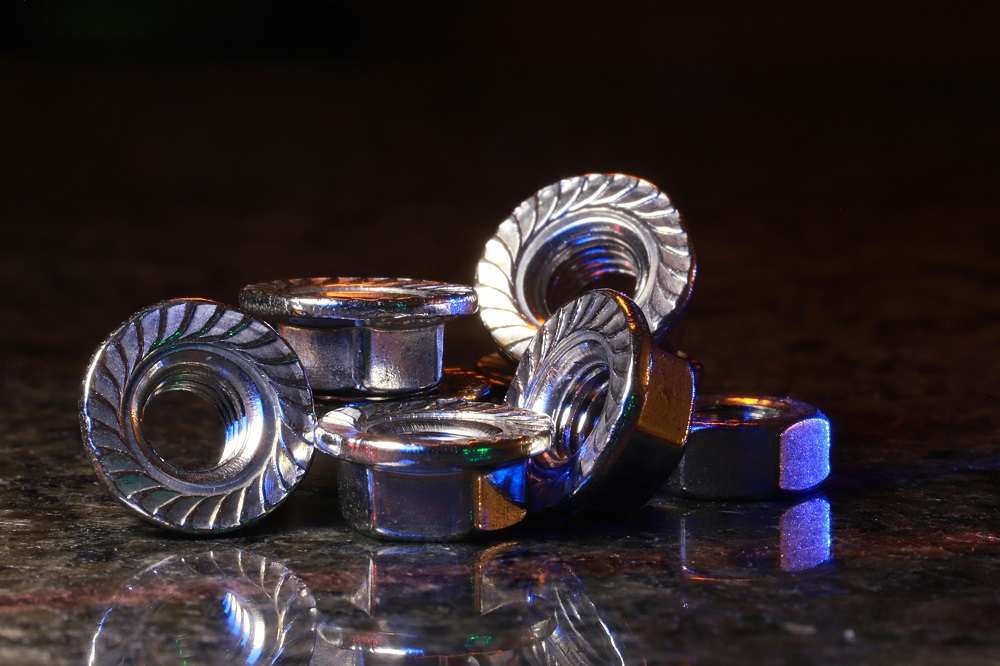
Locknuts are a common and widely used solution to secure bolts in place and prevent them from gradually backing out. They are applied across automotive, construction, aerospace, and industrial machinery assemblies where safety and reliability are critical. By maintaining consistent tension in bolted joints, they reduce the risk of unexpected structural failure or misalignment. This simple but highly effective solution plays a critical role in overall mechanical safety and system integrity.
Surface Hardening Treatments for Metal Parts
Surface hardening is used to improve the outer layer of metal components while preserving the toughness of the core material. Techniques like carburizing, nitriding, and induction hardening create a strengthened surface layer that resists wear and deformation. This is especially useful for gears, shafts, bearings, and rotating components that experience continuous friction and contact stress. The hardened surface helps prevent scratches, dents, and premature wear during long-term operation.
Engineers often choose this method because it offers a strong balance between durability and structural flexibility. It also reduces the likelihood of fatigue cracks forming under repeated mechanical stress. Overall, surface hardening significantly improves both performance consistency and service life.
Vibration Dampening and Isolation Techniques
Excessive vibration can lead to fatigue failure, fastener loosening, and long-term structural damage if not properly controlled. To prevent this, engineers design systems that absorb, reduce, or isolate vibration energy before it spreads through the structure. Rubber mounts, shock absorbers, isolators, and dampers are commonly used in machinery and equipment systems. These components help reduce the transmission of force between moving parts and structural frames, improving stability.
By lowering vibration levels, machines operate more smoothly and experience less uneven wear over time. This also enhances operator safety, comfort, and equipment reliability in industrial environments. Effective vibration control is essential for maintaining long-term mechanical performance.
Precision Engineering and Tight Manufacturing Tolerances
Small gaps, misalignments, or inconsistencies in component sizing can lead to uneven wear and increased mechanical stress. Precision engineering ensures that parts fit together exactly as intended with minimal deviation. Tight manufacturing tolerances reduce unwanted movement and help distribute loads more evenly across contact surfaces. This is especially important in high-speed or high-load machinery where even minor imbalance can cause significant damage. Modern computer-aided manufacturing tools allow for extremely accurate production of complex mechanical parts. As a result, systems operate more efficiently, with improved stability and reduced failure rates. Precision design remains one of the core foundations of reliable modern engineering.
Proper Lubrication Systems for Reduced Friction
Friction is one of the primary causes of mechanical wear in moving systems and must be carefully controlled. Lubrication reduces direct metal-to-metal contact, allowing parts to move smoothly with less resistance and heat generation. Engineers design lubrication systems that deliver oil or grease consistently to critical contact points. This helps prevent overheating, surface degradation, and premature component failure over time.
Without proper lubrication, even high-quality components can wear out much faster than expected. Regular inspection and maintenance of lubrication systems are just as important as their initial design. Overall, lubrication is a simple but highly effective method for extending machinery life and reliability.
Smart Fastening Design and Load Distribution
Beyond basic fastening, modern engineering focuses heavily on how forces are distributed across mechanical connections. Poor load distribution can create stress concentration points that eventually lead to deformation or failure. Engineers use washers, reinforced joints, improved thread geometries, and specialized fastening systems to spread force more evenly. This reduces the risk of bolts loosening or materials failing under repeated pressure.
Combined with properly selected fasteners like locknuts, these designs create more stable and reliable mechanical assemblies. The goal is to ensure that no single point in the system carries excessive or uneven stress. When load distribution is properly optimized, mechanical systems become significantly more durable and dependable.
Conclusion
Preventing wear, loosening, and mechanical failure requires a combination of smart material selection, precise engineering practices, and reliable fastening strategies. From ultra-durable materials like tungsten carbide metal to secure fastening methods such as locknuts, each solution plays a meaningful role in improving system longevity and performance. When these engineering practices are applied together, they create safer, more efficient, and longer-lasting mechanical systems capable of withstanding demanding real-world conditions.
 Infravo
Leave a comment