And How It Impacts Developer Health and System Wellness
As we move deeper into the era of cloud-native applications, serverless architecture continues to gain traction in 2025 and for good reason. It’s lightweight, efficient, and abstracts away the burden of infrastructure management.
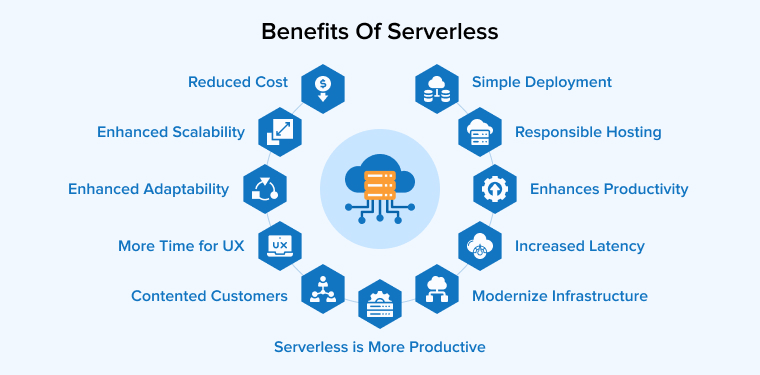
But here’s the catch: while serverless can simplify operations and speed up deployment, it’s not always the right solution. In fact, misusing serverless can lead to hidden complexity, rising costs, and team burnout.
In this article, we’ll unpack the true benefits, real bottlenecks, and when to steer clear of serverless — with a special focus on how it affects not just systems, but the health and well-being of developers.
The Benefits of Serverless in 2025
1. Less Infrastructure, Less Stress
One of serverless’s greatest perks is its simplicity no server provisioning, patching, or scaling worries.
- Auto-scaling removes the burden of capacity planning.
- Managed services mean fewer alerts and incidents at 2 AM.
- Developers can focus on features, not infrastructure.
Health Benefit:
Reduces cognitive load and operational fatigue. Fewer distractions = better focus and work-life balance.
2. Faster Time to Market
With serverless, you can go from prototype to production in record time.
- Deploy event-driven functions quickly.
- Seamlessly integrate with managed databases, queues, and APIs.
- Built-in CI/CD pipelines with minimal configuration.
Health Benefit:
Quick feedback loops improve developer morale. Shipping fast (and often) keeps teams motivated without overtime crunches.
3. Cost-Effective (When Used Right)
Serverless operates on a pay-as-you-go model — no idle compute costs.
- Ideal for spiky or unpredictable workloads.
- Cost scales directly with usage.
Health Benefit:
Fewer budget surprises reduce pressure on both teams and leadership keeping financial anxiety in check.
The Bottlenecks You Will Run Into
1. Cold Starts & Latency
Serverless functions may experience cold starts, especially in rarely used APIs.
- Adds delays of hundreds of milliseconds or more.
- Can be a dealbreaker for real-time apps (e.g., gaming, fintech).
Health Risk:
Chasing down latency issues in production can be frustrating and time-consuming often causing last-minute stress before releases.
2. Vendor Lock-In
Using AWS Lambda, Google Cloud Functions, or Azure Functions often means adopting proprietary frameworks and workflows.
- Hard to migrate to other platforms.
- Tightly coupled services can create tech debt.
Health Risk:
Lock-in limits freedom and increases long-term anxiety. Teams may feel boxed in, especially during scaling or architectural pivots.
3. Debugging & Observability Challenges
Serverless functions are distributed, ephemeral, and harder to trace than monoliths or even containers.
- Traditional logging and tracing tools may fall short.
- Requires new observability stacks (e.g., OpenTelemetry, X-Ray, etc.).
Health Risk:
Hard-to-diagnose issues can create mental fatigue and increase on-call stress especially for junior engineers.
4. Cost Can Escalate Quickly
If not monitored, serverless can become surprisingly expensive.
- High-frequency or long-running workloads can rack up charges.
- Pricing models aren’t always transparent.
Health Risk:
Unexpected cloud bills lead to team pressure and long nights spent optimizing workloads under stress.
When to Avoid Serverless (for Everyone’s Sake)
- Long-Running Processes: Serverless is time-limited (e.g., 15 minutes on AWS Lambda). Batch processing or video encoding? Better use containers or Kubernetes.
- High-Performance Real-Time Apps: Cold starts and latency can ruin the UX.
- Heavy Workflows with Complex Dependencies: Microservice sprawl makes serverless harder to manage than it first appears.
- Regulatory or Compliance Requirements: Certain audits require deeper control over underlying infrastructure.
- Team Burnout from Complexity: If the observability and dev experience take a hit, it’s not worth the abstraction.
Final Thoughts: Simplicity Is Healthier — But Not Always Serverless
Serverless in 2025 is more powerful than ever, with richer tooling, better runtimes, and deeper integrations. But it’s not a silver bullet and using it where it doesn’t fit can hurt your architecture, your budget, and your team’s well-being.
Choose serverless when it makes your life easier, not harder. And always put developer experience and system health at the core of your infra decisions.
 Infravo